Instrumentation & Setup
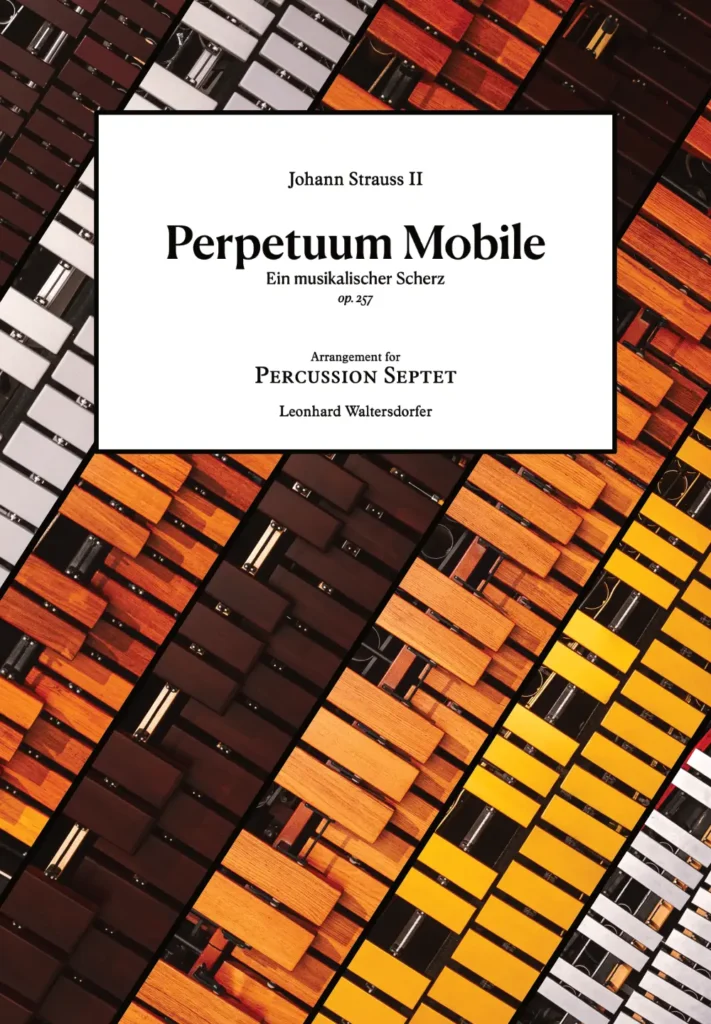
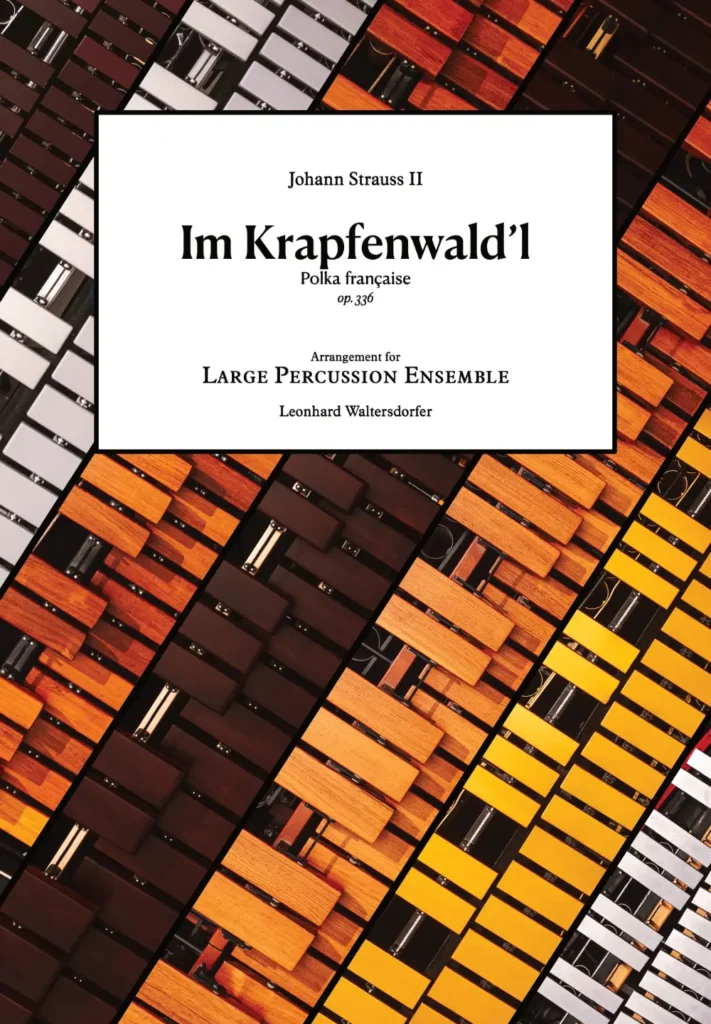
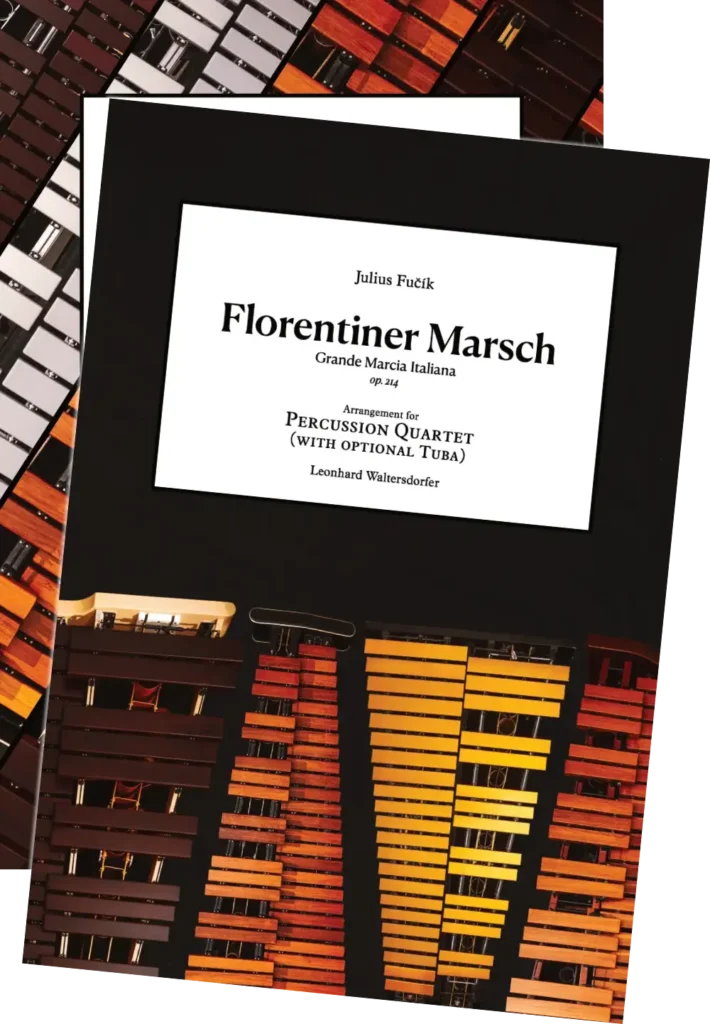
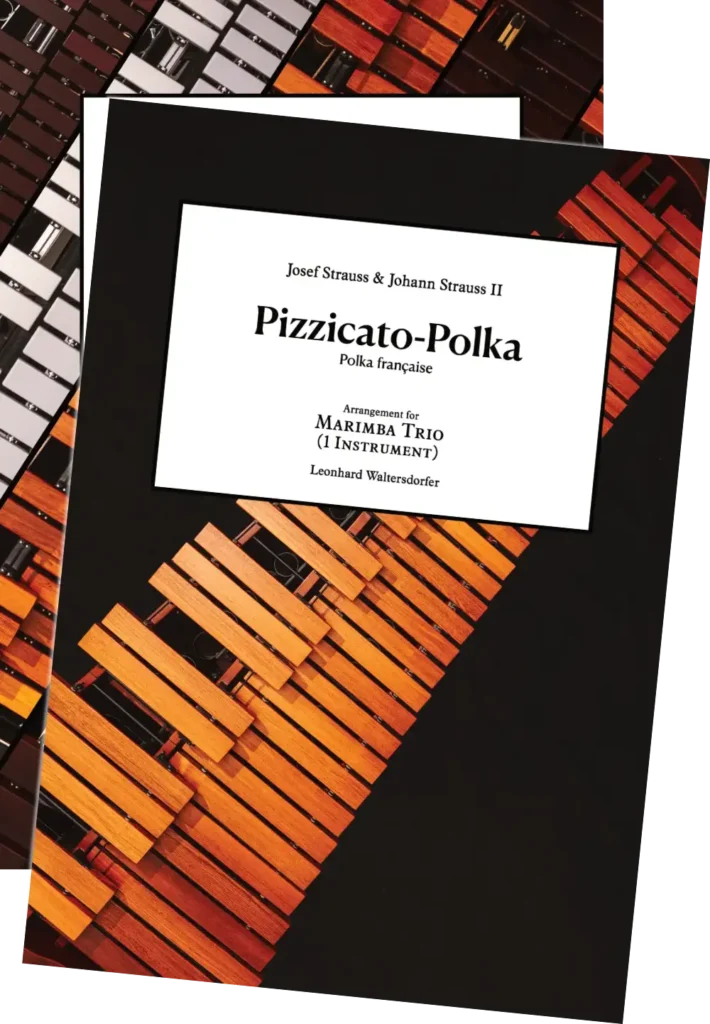
Instrumentation is designed with practical performance conditions in mind. Many works are based on a compact mallet-quartet setup (xylophone, vibraphone, two marimbas), requiring no more than one 5-octave and one 4⅓-octave marimba. Larger setups expand this framework only where musically necessary.
Unusual instruments such as desk bells, kazoo, musical saw, or cuckoo calls are frequently integrated, adding character without excessive logistical demands.
Double-Sided Editions & Flexibility
Several ensemble works are available as double-sided editions, combining a reduced version and a Large Percussion Ensemble version within the same score. These versions may be performed independently or combined, allowing flexible adaptation to ensemble size, player level, and educational contexts. Optional parts are clearly marked, instruments are often shared between players, and ensemble size can be adjusted without compromising musical coherence.
Practical Performance Context
Reduced versions are generally more demanding and aimed at advanced students and professional players, while Large Percussion Ensemble versions are conceived to be more accessible. This allows the same repertoire to function across a wide range of settings — from specialised ensembles to music-school groups.